
Polycrisis, hope and diplomacy
Navigating turbulence in the Anthropocene
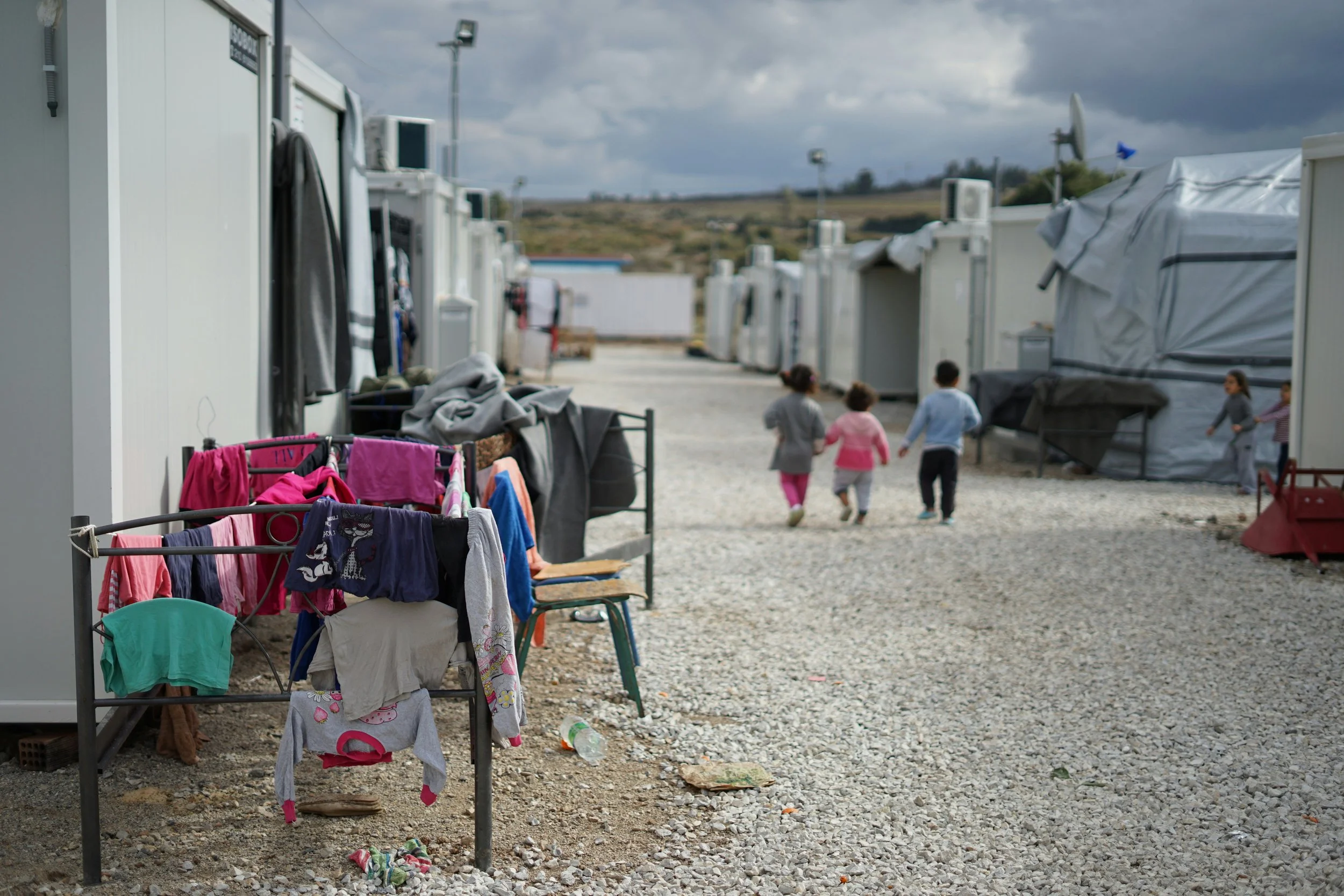
Human societies are no longer facing isolated crises. Climate change, biodiversity loss, pandemics, geopolitical tensions, technological disruption, financial instability, and misinformation increasingly interact, amplify one another, and unfold simultaneously across scales. This condition is increasingly described as polycrisis — a convergence of interlinked disruptions that generate greater harm than each crisis would cause in isolation.
The notion and state of polycrisis challenges scientific approaches, conventional governance, and human motivation. It can destabilize institutions, shorten political time horizons, and deepen polarization. At the same time, it exposes the need for new capacities, new coalitions, and new forms of collective imagination.
We investigate three intertwined questions:
· What is polycrisis and how does it evolve?
· What enables societies to maintain hope and momentum under conditions of turbulence?
· How can diplomacy and coalition-building accelerate sustainability transformations in the face of polycrisis?
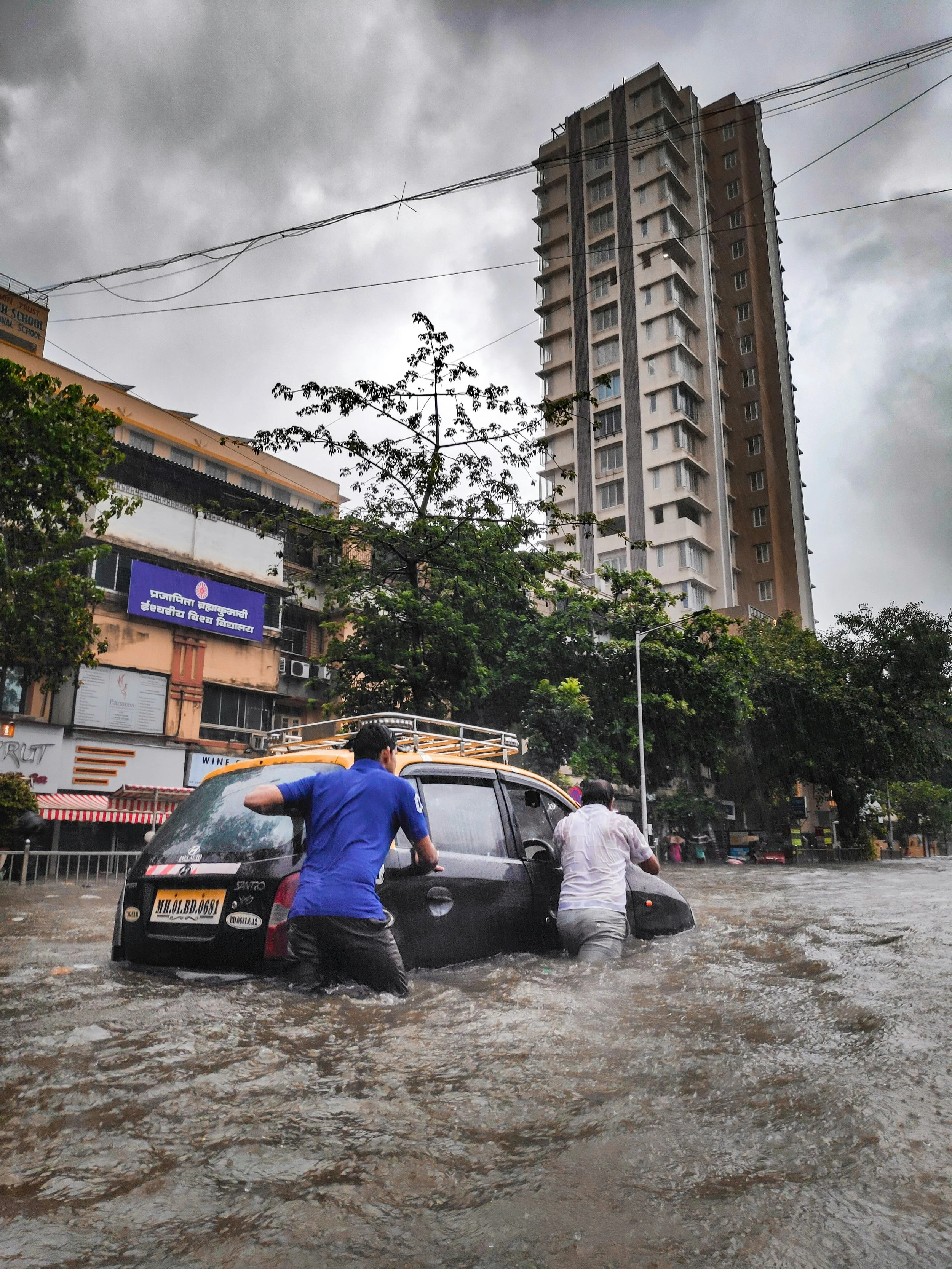
The increasing interconnectedness of social-ecological systems coupled with the intensification of environmental pressures and degradation of natural resources has multiplied the frequency and severity of shocks to the economy. These shocks add to the crises already underway, and interact to form a transverse and polymorphic crisis with no temporality of its own, no master plan, no governance and no blueprint response. In order to bring clarity and robustness to the emerging field of polycrisis research, ESCAPE focuses on (i) the conceptualisation and formalisation of polycrisis, (ii) the development of a long-term multi-scale database on historical crises, (iii) the exploration of empirical methods to measure the interaction of multiple crises, (iv) the assessment of the gap between the way crises are perceived and the way they develop.
Polycrisis (ESCAPE project)
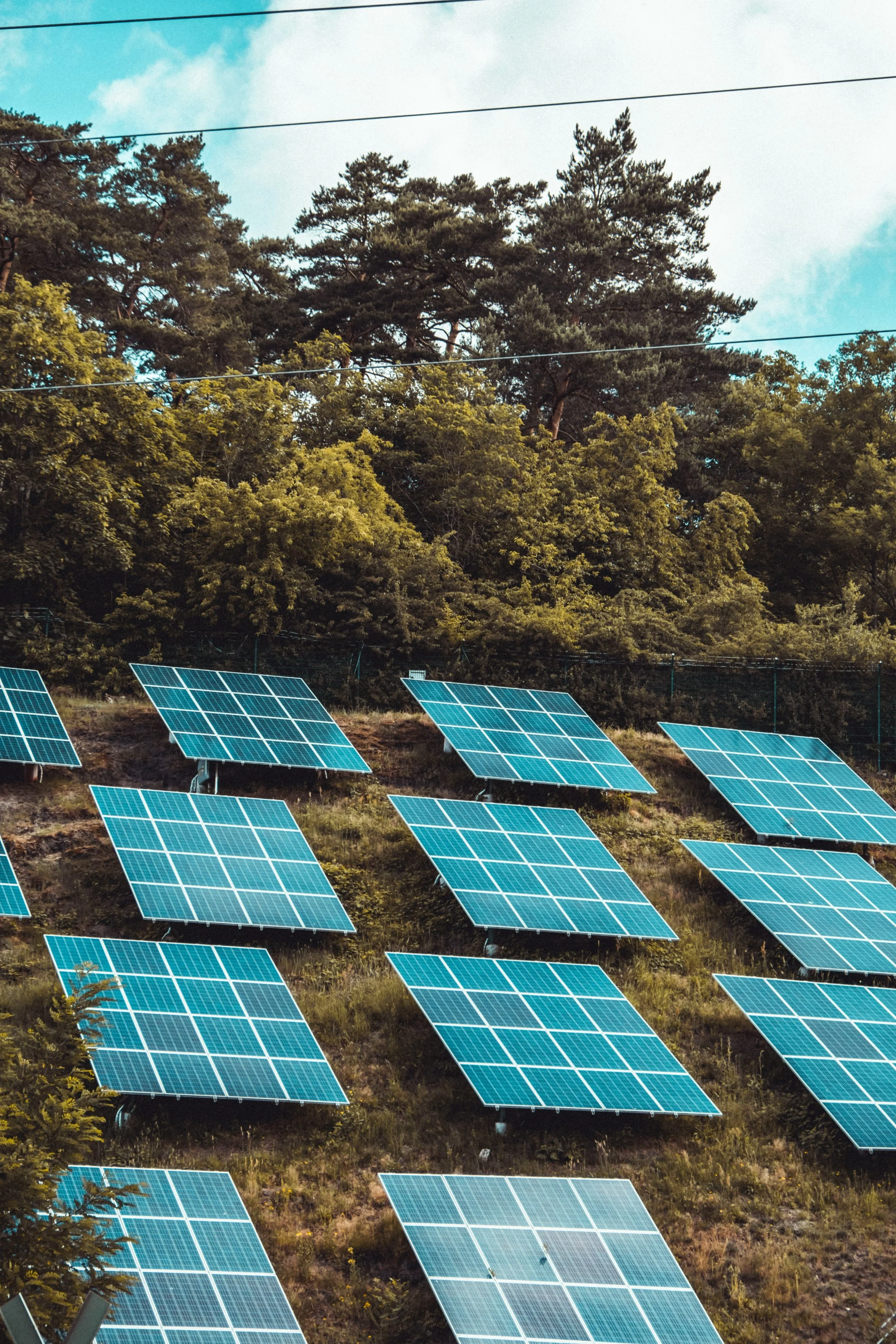
The necessity of an energy transition to combat climate change introduces new risks, including biodiversity loss and conflict. This study aims to examine how these risks intersect during the transition, mapping their emergence to identify opportunities for a just transition. It will involve semi-quantitative interviews, creating cognitive fuzzy maps and risk matrices, and conclude with a workshop to synthesize findings. The results will guide policymakers in navigating these emerging risks.
Coincidence of risks of biodiversity loss and conflicts in the energy transition
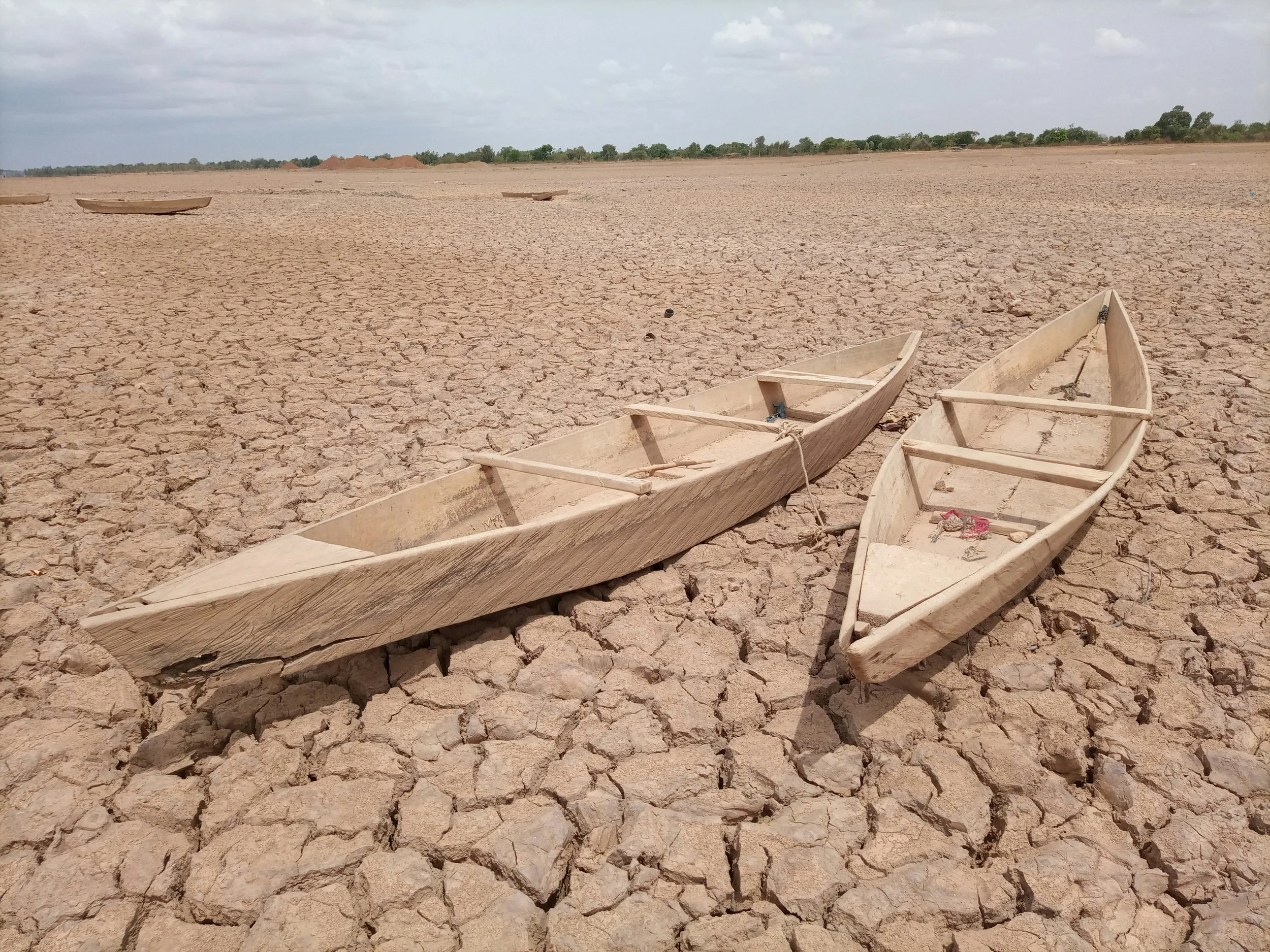
Hope: Mapping accelerating efforts to live in harmony with nature
In times of systemic turbulence, narratives of collapse often dominate. Yet parallel to escalating crises, a diverse array of initiatives are actively reshaping norms, institutions, and practices toward sustainability.
The World Economic Forum's Global Risks Reports (GRR), annual publications aimed at identifying critical global challenges from both short and long-term perspectives, have faced criticism for biases that may distort the portrayal of systemic risks. This study reviews how global risks were perceived by policymakers and how these perceptions evolved from 2006 to 2024. The goal is to validate or refute the criticism and develop best practice recommendations for the WEF based on findings.